
What’s New in Air Conditioning Technology: A Guide
-

New air conditioning technology continues to make leaps and bounds in terms of improving comfort, temperature control, and energy efficiency at home. Today, central air conditioners are found in 88% of new homes, and a majority of older homes have been retrofitted to allow for convenient and effective home comfort in Jacksonville, as well. Keeping an eye on the latest developments in AC technology can help you take charge of your home comfort in Jacksonville, both today and in the future.
How Do Air Conditioners Work?
Air conditioners work by using a refrigeration cycle to remove heat from your indoor air and expel it outside, keeping your home cool and comfortable. The process begins with the evaporator coil inside the air handler, which absorbs heat from the air. This heat is transferred to a refrigerant fluid, which is then compressed by the compressor to increase its temperature. The hot refrigerant is pumped outside to the condenser coil, where the heat is released into the outside air. The cooled refrigerant returns inside, repeating the cycle to continuously lower the temperature. By controlling the flow of refrigerant, the system can effectively regulate the temperature of your home.
AC Technology for Modern Homes
While traditional air conditioning systems rely on ductwork and central units, newer technologies like mini-split systems offer a more flexible solution. Let’s take a closer look at how these systems can provide efficient cooling without the need for extensive installation.
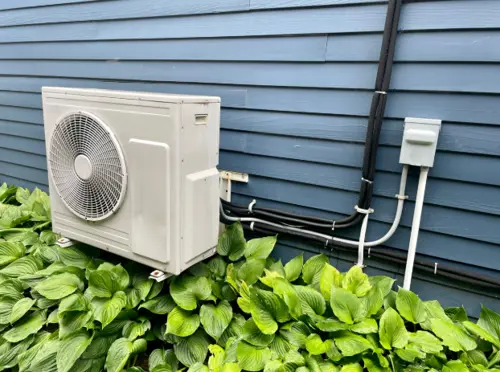
Mini-Split Systems
Mini-split systems offer the convenience of central air conditioning in Jacksonville without the need to install ductwork in an existing home. If you want to enjoy home cooling in multiple rooms without the need for window units, a single mini-split system can utilize an opening of just a few inches in your home’s exterior to provide cooling for one or several rooms at once. Mini-split systems incorporate outdoor and indoor units, just like a central system, but transfer coolant directly between the condenser outdoors and an individual evaporator unit installed in each room you want to cool. The evaporators can be operated via manual or remote control to provide the cooling you want when and where you need it.
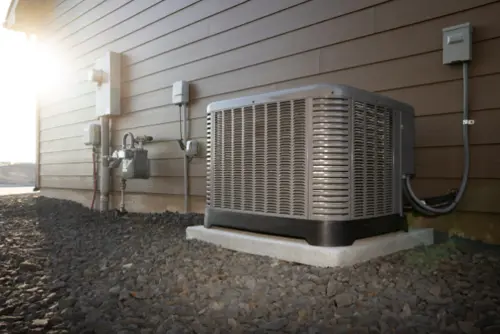
Two-Stage Compressors
Air conditioner compressors play a vital part in the cooling process. However, compressors also require power to run and contribute to the overall noise created by the air conditioning system. Two-stage compressors allow you to tailor the amount of work your air conditioner does, based on your cooling needs. A two-stage compressor activates fully when more cooling is needed for fast, effective results, but reduces the amount of work performed at times when less cooling is needed to achieve your desired results. This can help you save money and prolong the lifetime of your air conditioner by allowing it to do less work whenever possible; a two-stage compressor can also reduce the amount of noise generated by your air conditioner for a quieter, more peaceful home.
What is the Latest Technology in Air Conditioning?
The latest advancements in air conditioning technology focus on enhancing efficiency, sustainability, and convenience, providing homeowners with smarter, more effective solutions. As the demand for energy-saving and eco-friendly products continues to rise, innovations in cooling systems are designed not only to improve comfort but also to reduce environmental impact. With these advancements, air conditioners are becoming more intelligent, adaptable, and cost-effective, offering users better control over their home's climate while also contributing to a greener planet.
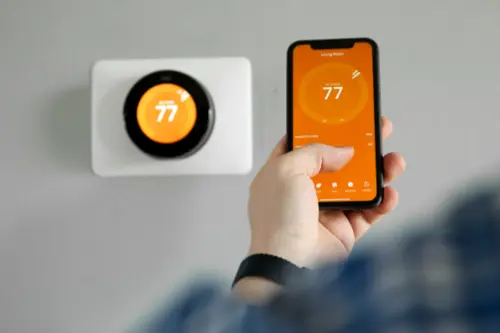
Smart Thermostats for Enhanced Control
Smart thermostats allow homeowners to control their air conditioning remotely using smartphones or voice-activated devices. This technology not only improves convenience but also optimizes energy efficiency by learning your preferences and adjusting settings accordingly. Smart thermostats can also provide detailed energy usage reports, helping homeowners monitor and reduce their energy consumption over time. With features like geofencing, they can adjust the temperature automatically based on your location, ensuring comfort while minimizing wasted energy.
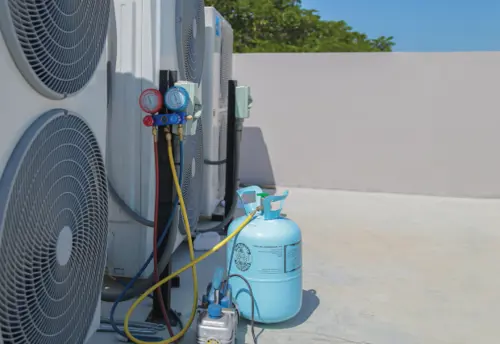
Refrigerant Replacements
Refrigerants are at the heart of every air conditioner, regardless of its size or type. Currently, air conditioners use liquid refrigerants to absorb heat from indoor air and release that heat to the outdoors, lowering the temperature inside your home. Older refrigerants, such as R-22 (Freon), are being phased out due to environmental concerns; while new refrigerants are safer, they are still liquids with limitations. Researchers are now beginning to explore the possibility of using a solid or a membrane to provide cooling, rather than circulating a liquid refrigerant as in current systems. This solution would reduce the amount of energy required for cooling by eliminating many of an air conditioner’s moving parts, while also increasing the environmental safety and longevity of these systems.
Ready to Experience the Future of Home Cooling?
Are you ready to discover how new air conditioning technology can benefit your home and family in the Jacksonville, FL area? Take a look through our blog to find out even more about modern advancements in home cooling; if you’re ready to schedule repairs, service, or installation, you can reach an experienced air conditioning expert on our website or call us at 904-302-6385.